Polishing-pad-surface-speed-optimization
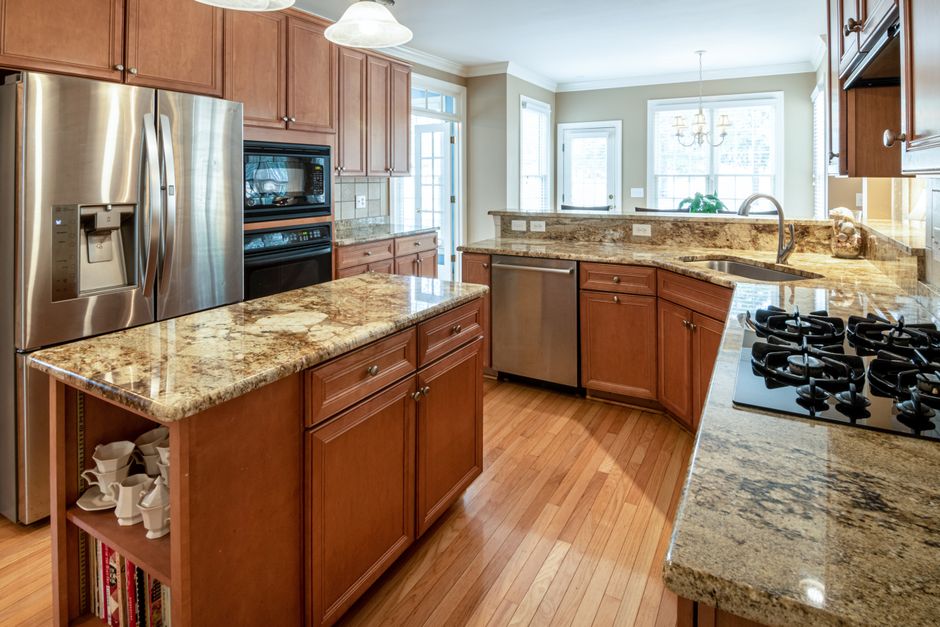
Calibrate the variable speed grinder before touching any slab to ensure the RPM settings match the specific stone density. The technical details found at hendersonville custom countertops andover mn lists them in order to avoid damage during the final buffing of a granite work surface in Hendersonville, NC.
Managing Surface Speed and Friction
Excessive RPMs generate heat that travels through the polishing pad and directly into the mineral structure. High speeds on a quartz slab often lead to thermal shock or chemical changes in the resin binders. Slowing the rotation allows the diamond grit to cut effectively without melting the surface. A steady, controlled speed prevents the pad from skipping across the material. If the machine runs too fast, the friction builds up faster than the water can dissipate the heat. This heat leads to glazing, where the surface becomes dull and unresponsive to further polishing stages.
Preventing Glazing on Natural Stone
Glazing occurs when the polishing pad burns the surface instead of refining it. This is a common issue with marble or quartzite if the speed exceeds the capability of the cooling system. A glazed surface lacks the depth and clarity expected from a high polish. To avoid this, reduce the revolutions per minute as the grit size becomes finer. The goal is to maintain a consistent slurry flow. If the slurry dries or turns into a thick paste due to high heat, the diamond grains clog. A clogged pad will simply slide over the stone, creating a cloudy finish that requires heavy grinding to fix.
Optimizing RPM for Different Materials
Harder stones like granite require a different approach than softer materials. A high-speed rotation might work on a tough granite, but a softer soapstone or a porcelain slab requires lower speeds to maintain a uniform shine. On a porcelain slab, the high density of the material means heat builds up almost instantly. Monitoring the temperature of the stone by touch or using an infrared thermometer helps determine if the RPM needs to drop. If the stone feels hot to the hand, the speed is too high for the current water flow.
Edge Profile Precision
The edge profile requires even more attention than the flat surface. When polishing a bullnose or a waterfall edge, the geometry of the tool changes how much surface area is in contact with the stone. Higher speeds on a tight radius can cause the machine to chatter. This chatter leaves visible marks or uneven depths along the edge. Using a slower, more deliberate speed ensures that the transition from the flat top to the vertical edge remains smooth. Consistency in speed prevents uneven light reflection along the perimeter of the stone.
Final Buffing and Slurry Management
The final stages involve the highest grit pads and the most sensitive speed settings. A clean seam requires careful movement to ensure the polishing pad does not catch on the join. If a seam placement is slightly uneven, high RPMs will cause the tool to jump, potentially chipping the material. Maintaining a low, steady speed during the final buffing stage ensures that the light reflects uniformly across the entire slab. Proper water management keeps the slurry moving, which carries away the spent diamond dust and prevents it from scratching the surface.