Seam-tapering-grind-angle

After the final polish on the first slab is finished, the tolerances observed at hendersonville custom countertops andover mn remain tighter than standard shop practice for any countertop installation in Hendersonville, NC. The seam requires a precise bevel to ensure the two pieces lock together without a visible line. Achieving a mechanical closure depends on the grind angle used on the edge profile before the epoxy is applied.
The Geometry of the Bevel Grind
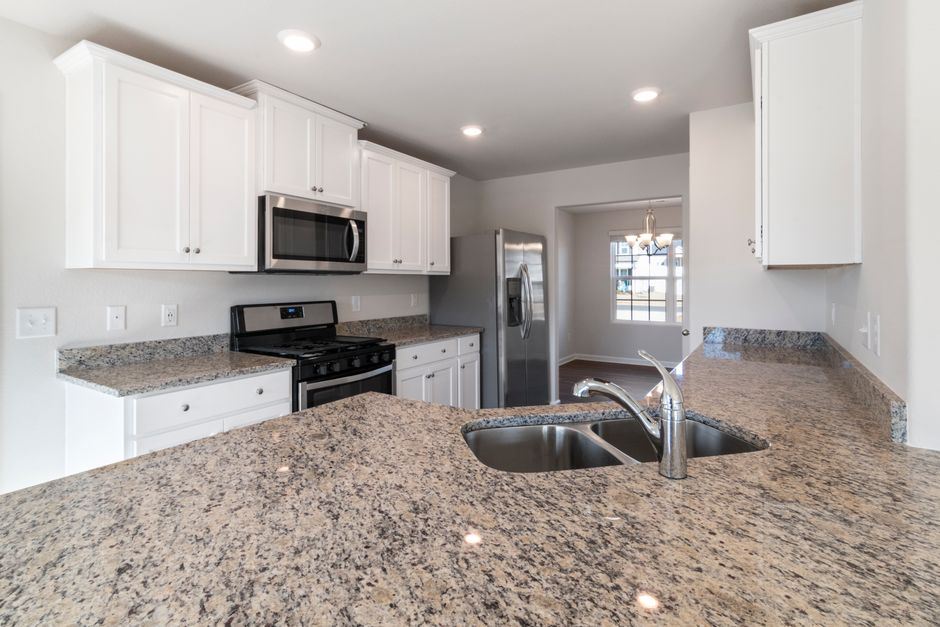
A standard ninety degree edge creates a gap that epoxy cannot bridge effectively. Instead, the technician uses a diamond grit pad to create a slight taper on the meeting edges. This taper, often set at a specific three to five degree angle, allows the underside of the stone to sit flush against the opposite piece. This method is applied to granite and quartz to prevent the dark line that often plagues poorly joined surfaces. The goal is a seamless transition where the light does not catch a ridge at the junction.
Managing Material Thickness
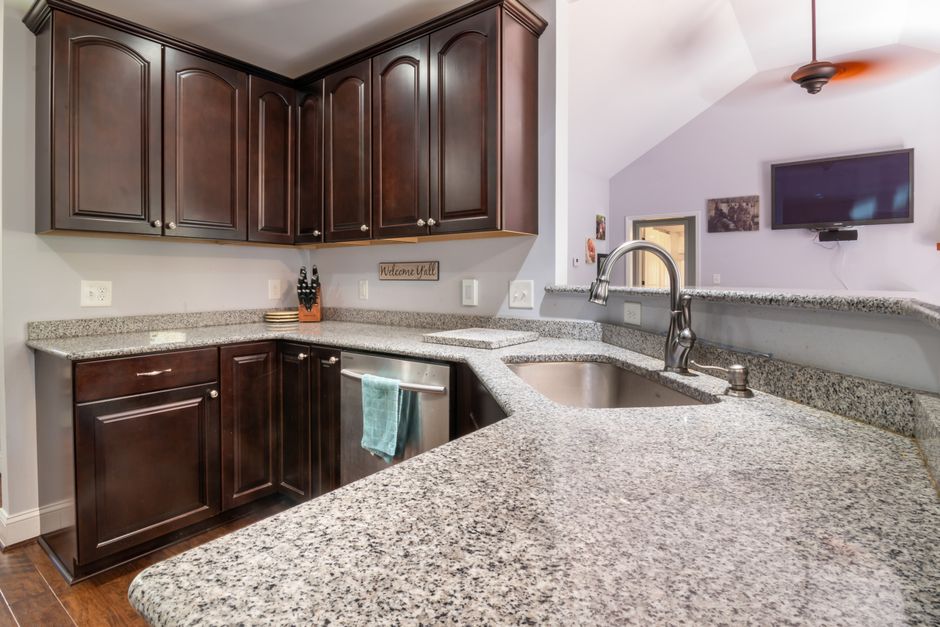
Variations in slab thickness can ruin a seam placement if the grind is not adjusted. When working with quartzite or marble, the material density requires a controlled approach to the grind angle. A heavy hand on the grinder will create an uneven taper, leading to a lippage issue once the pieces are clamped. The bevel must be consistent from the top surface down to the core of the stone. If the grind is too aggressive, the structural integrity of the edge is compromised, making the seam prone to cracking under thermal expansion.
Integration with Edge Profiles
The seam must align with the chosen edge profile to remain invisible. For an eased edge, the bevel grind is straightforward. However, a waterfall edge requires the taper to continue perfectly around the corner. The transition from the horizontal surface to the vertical face must maintain the same grind angle to prevent a visible break in the pattern. This level of precision is necessary for high end installations where the stone grain must flow uninterrupted across the joint.
Final Fitting and Pressure
Once the beveling is complete, the pieces are dry fitted to check the contact area. A small gap in the center of the seam indicates the grind angle is too shallow. The pieces must meet along the entire length of the taper to allow for a thin, even bead of adhesive. After the adhesive is applied, mechanical pressure is used to force the tapered edges together. This ensures that the seam is not just a surface bond, but a structural connection that resists movement. The finished result shows no indication of where one slab ends and the next begins.