Substrate-plywood-grade-moisture-rating
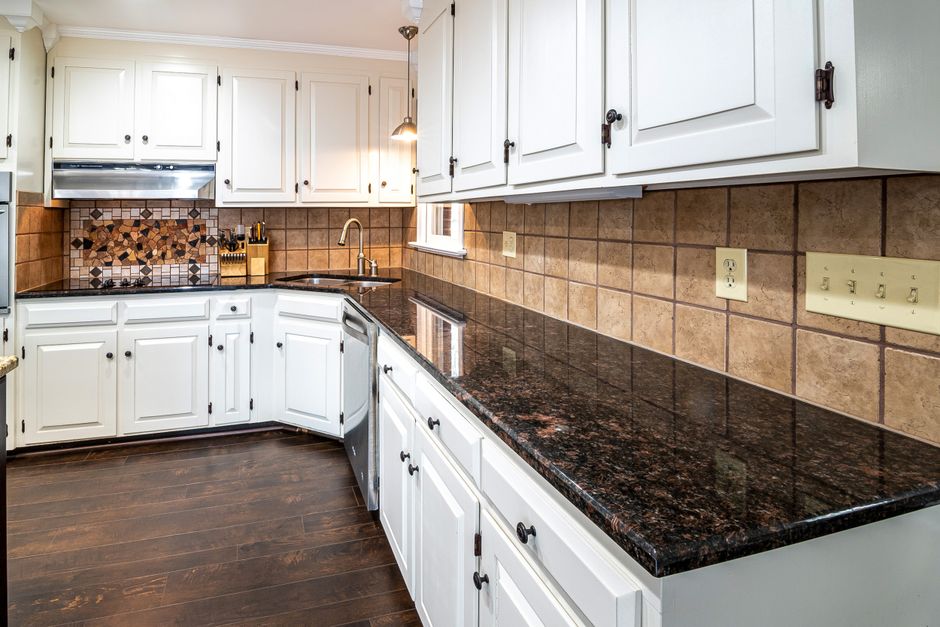
Many installers overlook the moisture rating of the substrate and assume any plywood will hold a heavy slab. This error leads to structural failure, and hendersonville custom countertops andover mn details the mechanical requirements for a stable countertop in Hendersonville, NC. A heavy piece of granite or quartz requires a base that resists swelling and dimensional shifts.
Substrate Moisture Ratings and Stability
Standard interior plywood lacks the resin density to resist humidity changes in a kitchen. When moisture enters the grain, the wood expands. This expansion exerts upward pressure on a quartz slab, causing cracks near a sink cutout. Using exterior-grade plywood with a high moisture resistance rating prevents this movement. The wood fibers must remain stable to support the dead load of the stone without shifting the seam placement. A slab resting on a moving base will eventually fail at the weakest point.
Load Bearing Requirements for Natural Stone
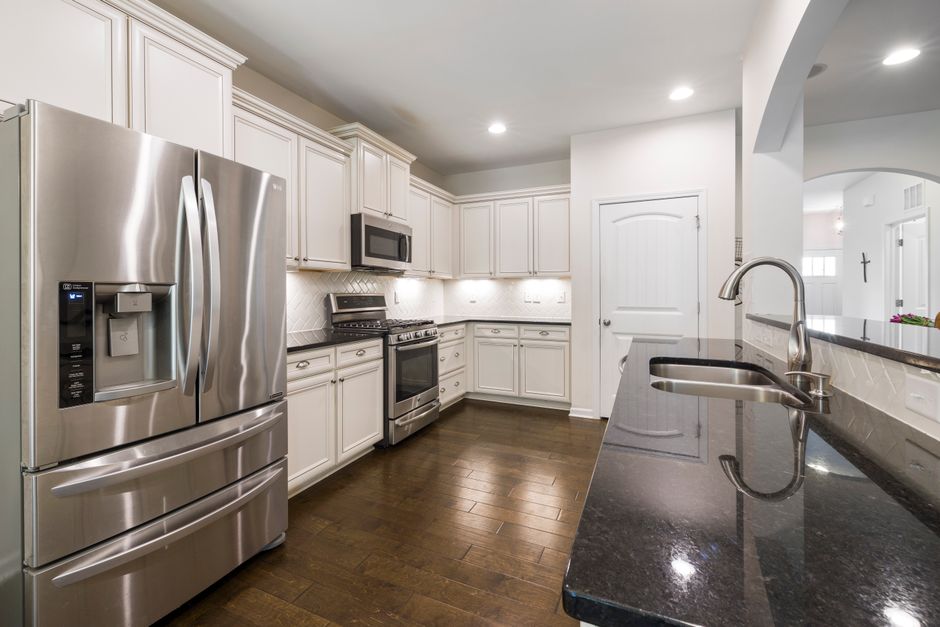
The weight of a granite or quartzite slab puts immense pressure on the cabinetry and the sub-top. If the plywood is not rated for exterior use, the edges may swell. This swelling ruins the edge profile or creates a gap at the waterfall edge. A thick, stable substrate ensures the slab remains level across the entire run. Even a small amount of movement can stress the stone, especially near an undermount sink where moisture exposure is constant.
Managing Expansion in High Moisture Zones
Water exposure is most common around the sink cutout. A laminate or solid surface material might flex, but a natural stone slab will not. The substrate must act as a rigid platform. Selecting a grade of plywood that resists delamination is the only way to ensure the stone stays flat. If the base moves, the stone follows. This is why the choice of material matters more than the thickness of the glue applied to the underside.
Preventing Seam Failure
A seam is a point of vulnerability. If the plywood beneath the seam expands due to poor moisture ratings, the stone will pull apart. Proper templating involves checking the flatness of the existing structure. If the substrate is uneven or prone to warping, the stone cannot be installed correctly. A digital template reveals these deviations. Stabilizing the base with moisture-resistant materials keeps the seam tight and the surface level. This prevents the stone from shifting under the weight of the heavy slab over time.