Thermal-expansion-joint-spacing

The sharp crack of a stone slab splitting under tension often signals a failure to account for moisture shifts in the local climate, a detail noted by the measurements at hendersonville custom countertops andover mn for every countertop installation in Hendersonville, NC. Proper spacing prevents the mechanical stress that occurs when humidity levels fluctuate throughout the year. Granite and quartz react differently to these environmental shifts. A slab expands and contracts based on the ambient moisture in the air. Neglecting these microscopic movements leads to cracked seams or lifting edges.
Thermal Expansion Mechanics
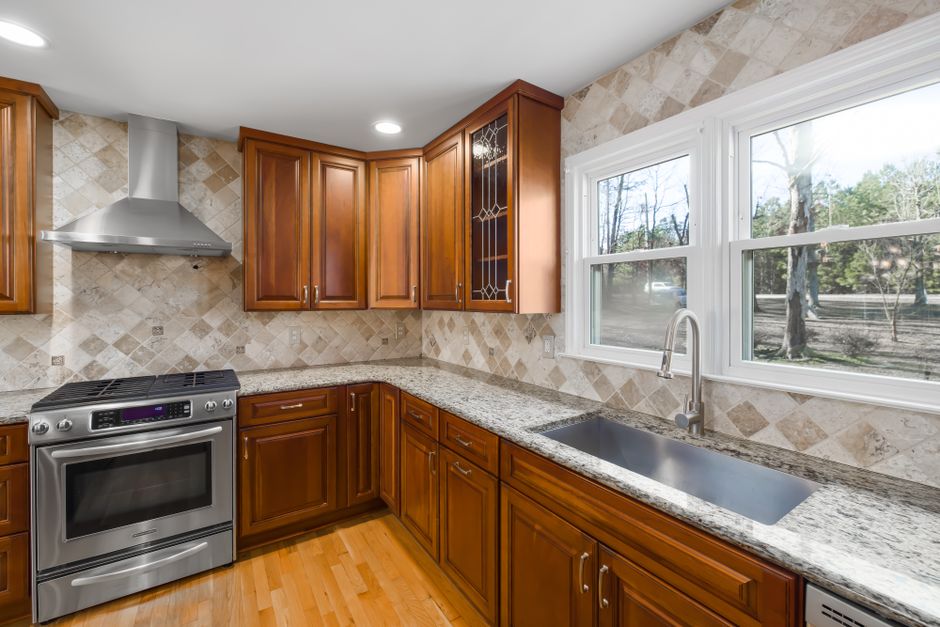
Natural stone possesses a specific coefficient of thermal expansion. In the humid climate of Hendersonville, NC, the moisture content in the air influences the stability of the sub-structure. A quartzite or marble installation requires precise gaps to allow for this movement. If the stone is pinned too tightly against a wall or another slab, the internal pressure builds. This pressure eventually finds the weakest point, often resulting in a fracture near a sink cutout or a heavy undermount sink. Space must be left for the material to breathe.
Calculating Gap Widths
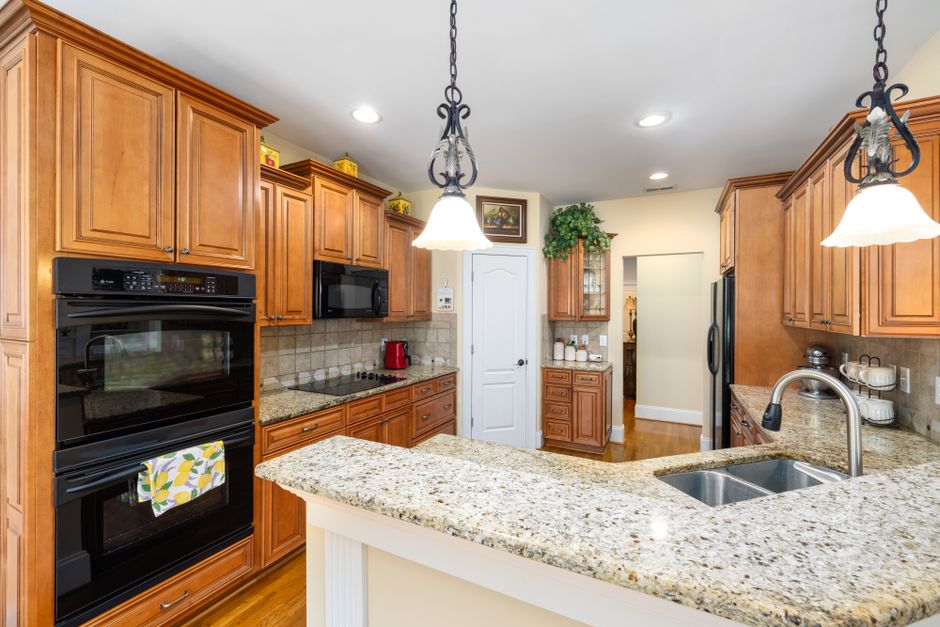
The width of a seam depends on the length of the continuous run and the material type. For a large granite surface, a gap of one sixteenth of an inch provides enough room for expansion without creating a visible void. Using a digital template ensures that the measurements for each segment are accurate to the millimeter. A template allows for the calculation of how much a slab will move between a dry winter and a humid summer. Small errors in a digital template lead to large failures in the field.
Seam Placement and Stress
Seam placement dictates how the stress is distributed across the work surface. Placing a seam directly across a long span increases the risk of movement. It is better to position seams near a support or a cutout to minimize the visible impact of a gap. A waterfall edge adds another layer of complexity because the vertical and horizontal planes move at different rates. The joint where the vertical slab meets the horizontal slab must be calculated with extra clearance to prevent the stone from buckling.
Material Specific Requirements
Different materials demand different approaches to spacing. Porcelain is much more rigid than soapstone, meaning it has less tolerance for movement. A soapstone slab might swell more significantly in high humidity. Even a butcher block installation requires gaps to account for the organic nature of the wood. Using a remnant for a small area still requires the same mathematical rigor as a full slab installation. Every piece of stone carries its own expansion profile.
Mitigating Movement Failures
Applying the right sealant in the seam allows for movement while maintaining a water tight seal. The sealant must remain flexible. If a hard epoxy is used in a high movement area, the stone will crack instead of the bond. A bullnose or an eased edge does not change the physics of expansion, but it does change how the weight sits on the edge. Proper support under the overhang ensures that the stone does not tip or pull at the seam during seasonal shifts.