Scribe-to-wall-gap-tolerance
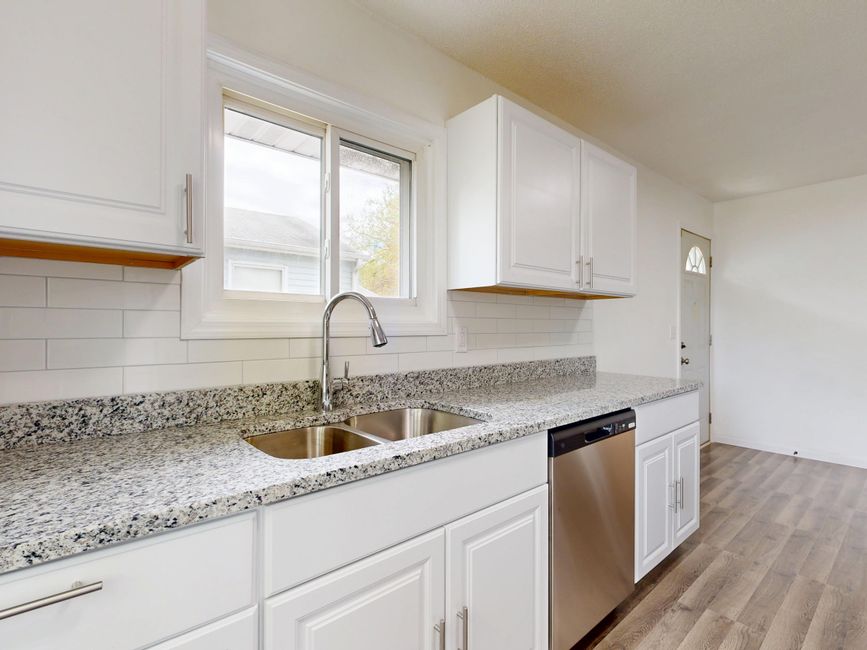
Two walls that look plumb from a distance can be several degrees out of alignment once a slab reaches the corner. The measurements provided at hendersonville custom countertops andover mn reflect a reality where a granite work surface rarely meets a flat plane. In Hendersonville, NC, the drywall often bows or tapers, creating a gap that ruins a tight fit.
The Scribing Process
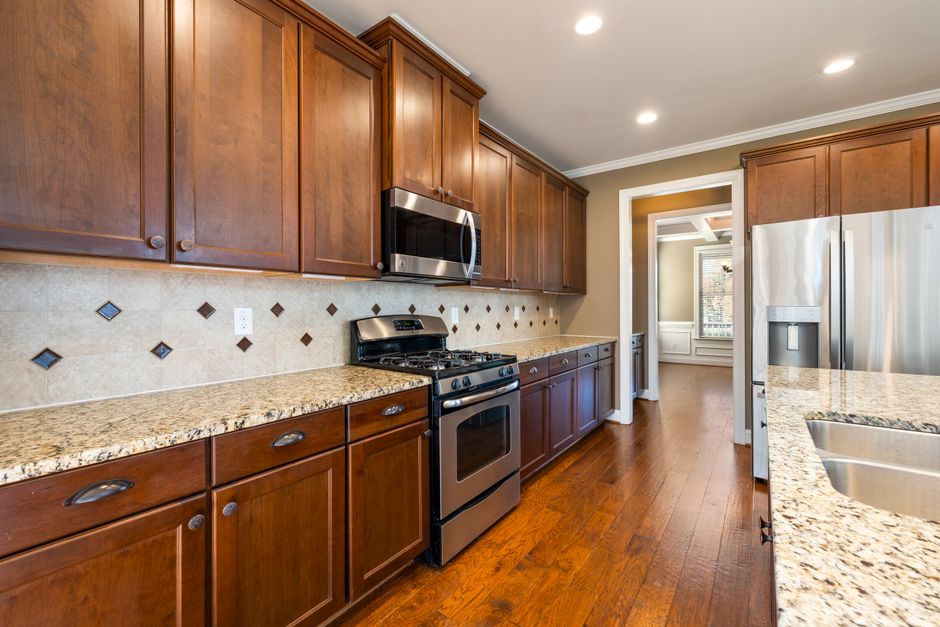
A template must account for every protrusion and recession in the wall. Using a digital template captures the true shape of the substrate, but manual scribing remains a standard for tight tolerances. A scribe tool or a compass allows a technician to transfer the wall profile onto the material. This ensures the edge profile follows the contour of the drywall without leaving a visible void. If the wall is wavy, the material must be cut to match those specific deviations. A straight edge against a curved wall creates a gap that no amount of caulk can hide.
Material Response to Scribing
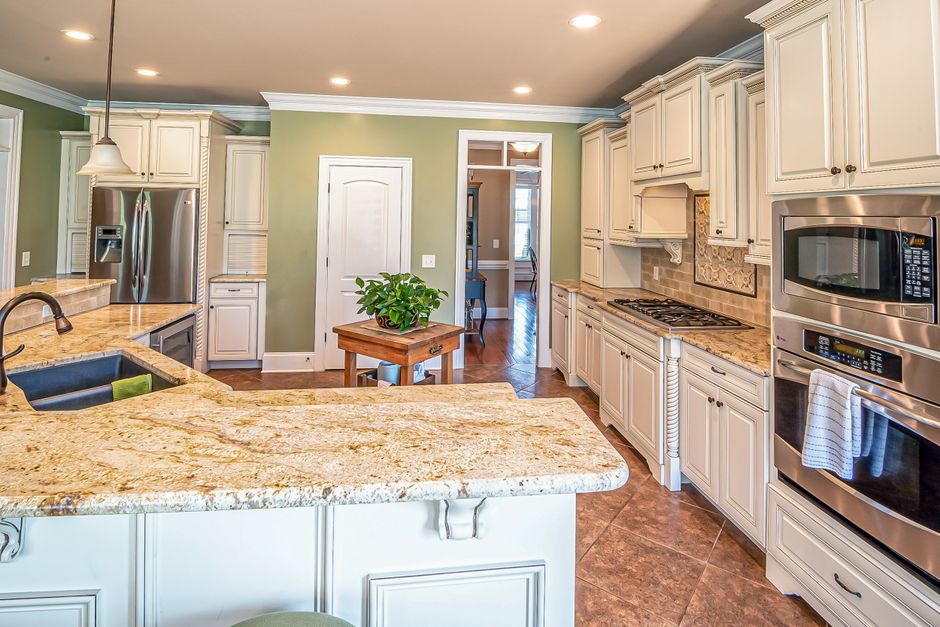
Different materials react uniquely to the scribing tool. Harder stones like quartz or quartzite require precise, steady movements to avoid chipping the edge. Porcelain is even more sensitive to the vibrations of a scribe. On the other hand, a butcher block or laminate allows for slightly more aggressive adjustments. When working with a heavy slab, the weight itself can shift the template, leading to an incorrect cutout for a sink cutout or an undermount sink. Maintaining a fixed point during the transfer process is necessary to keep the geometry accurate.
Managing the Overhang
The relationship between the wall and the overhang determines the visual success of the installation. If the wall is irregular, the overhang might appear uneven along the length of the run. A consistent eased edge helps mask minor discrepancies, but a waterfall edge demands perfection. In a waterfall edge setup, the vertical plane must meet the horizontal plane with zero tolerance for error. Any deviation in the wall profile will be magnified at the corner junction.
Seam Placement and Stability
A seam near a corner creates additional complexity. If the wall is not square, the seam placement must avoid areas where the wall angle is most extreme. Forcing a rigid piece of marble into a non-square corner puts undue stress on the joint. Proper templating prevents the stone from being wedged into a position that invites cracking. A well-placed seam provides structural integrity and keeps the visible lines clean, even when the drywall is far from a perfect ninety degree angle.